

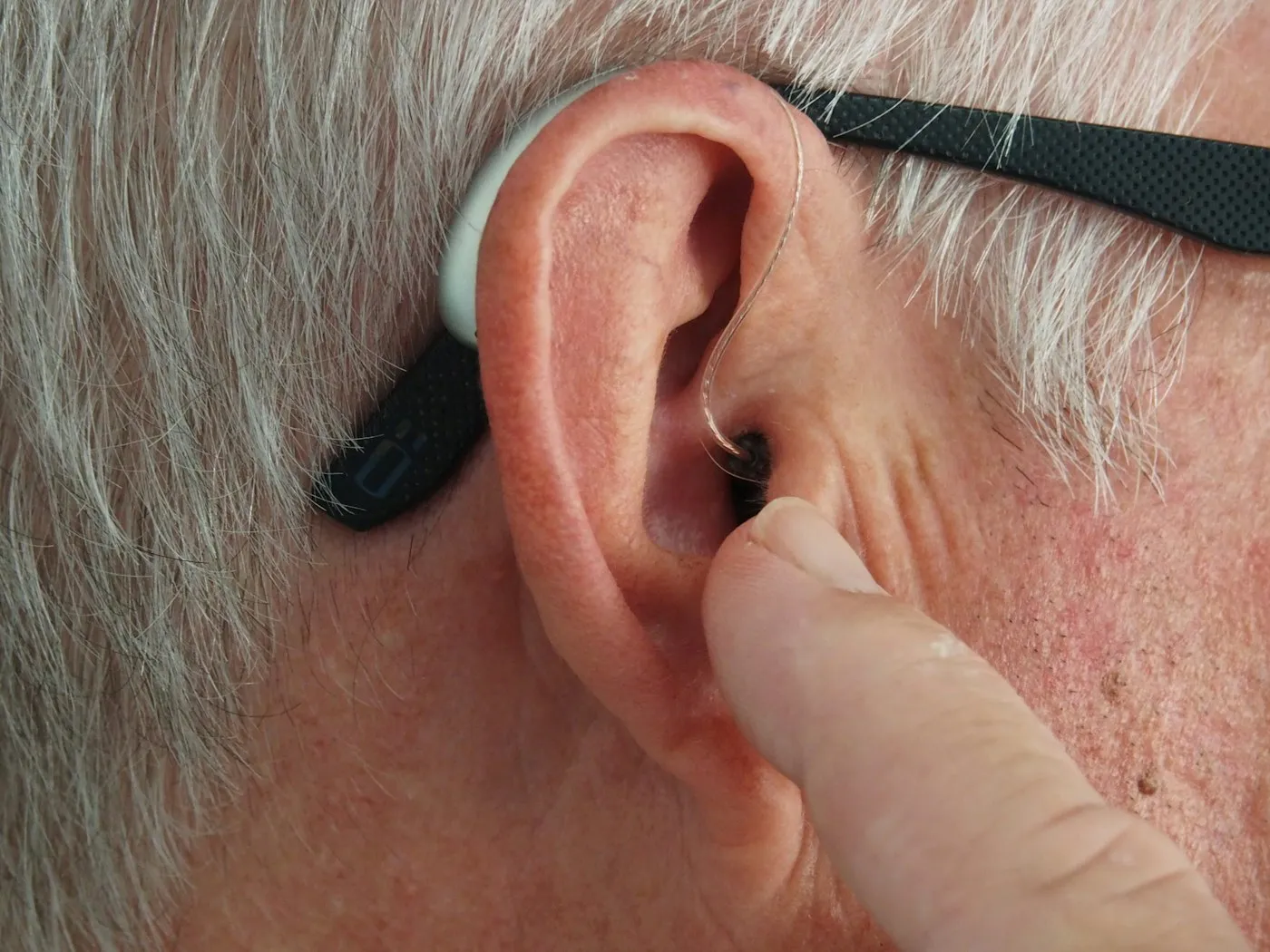
Signs
Hearing loss isn’t just “hearing less”. Many people hear sounds but can’t make out words clearly, especially in noisy places.
- Asking people to repeat themselves or guessing how sentences end.
- Tiring in crowds: following conversation in restaurants, family gatherings or meetings takes a lot of effort.
- TV and phone: you set the TV louder than others or struggle on the phone.
- High-pitched sounds: doorbells, birdsong, children’s voices or some consonants are harder to catch.
- Social withdrawal: you join in less for fear of mishearing.
- Tinnitus: ringing doesn’t always mean hearing loss, but when they occur together a test is advisable.
Causes
Age-related change (presbycusis), long-term noise exposure, ear wax, middle ear problems, some medications, genetics and past infections can all cause hearing problems.
Important: with sudden hearing loss, a marked drop in one ear, dizziness or ear discharge, see an ENT specialist without delay.
Types of hearing loss
- Conductive: caused by a problem in the outer or middle ear (e.g. wax, middle ear infection). Often treatable medically.
- Sensorineural: damage to the inner ear or hearing nerve; the most common type, usually helped by hearing aids.
- Mixed: a combination of both.
Degrees: what your results mean
- Mild: soft speech and distant sounds become harder.
- Moderate: everyday conversation is noticeably affected, especially in noise.
- Severe: powerful hearing aids and regular follow-up may be needed.
- Profound: power devices or a cochlear implant assessment may be considered.
It’s not only about hearing sound, but how clearly you can understand words (speech discrimination).
Getting used to hearing aids
Sounds you haven’t heard for a long time can seem too loud at first. The aim is a balanced start that helps your brain make sense of sounds again, not turning everything up at once.
- Wear your hearing aids regularly at home in the first days.
- Move to noisier places gradually.
- Note any sounds that bother you and share them at your follow-up.
- Set up your cleaning and charging/battery routine in week one.
Read more on our blog or try the online hearing check.